“The Man Upstairs” by P. G. Wodehouse – Review
As a Wodehouse aficionado I have read many of his books multiple times. But the man was so prolific that no matter how voraciously you read his stuff, it seems […]
As a Wodehouse aficionado I have read many of his books multiple times. But the man was so prolific that no matter how voraciously you read his stuff, it seems […]
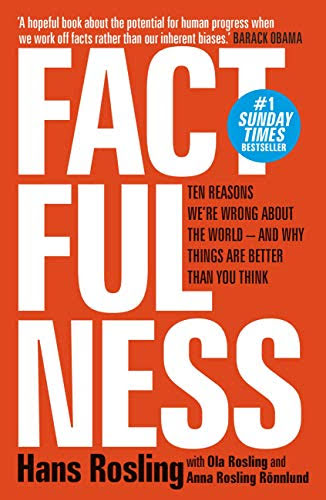
It feels to me like everything is getting worse. Brexit. Trump. Growing inequality, a resurgent right-wing. It didn’t used to be like this, it used to feel like the world […]
This suspense novel was our February book club book. Psychological thrillers are not normally my thing, but this is well constructed, concerning a couple with secrets living incognito apparently for […]
This is the first in a new series by Lee Goldberg about deputy Eve Ronin, a young homicide detective with the Los Angeles County Sheriff’s Department.
Pryce’s Aberystwyth Noir series (beginning with 2001’s Aberystwyth Mon Amour) is a wonderful treat for anyone who has any familiarity with Raymond Chandler (and his ilk) or Aberystwyth, or (like me) […]
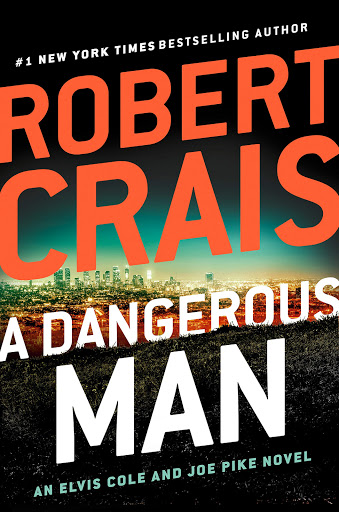
Somewhere between a decade or two ago, knowing I’m a fan of Robert B. Parker’s Spenser, JP recommended a favourite PI to me: Robert Crais’ Elvis Cole.
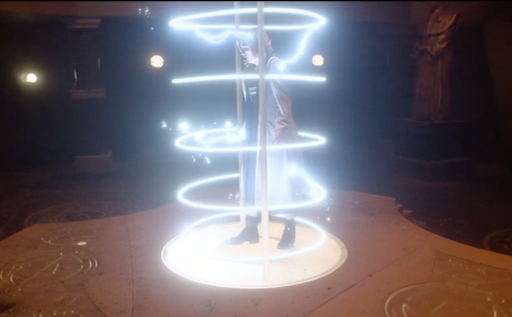
The current series of Doctor Who comes to an end with a finale that changes everything*.
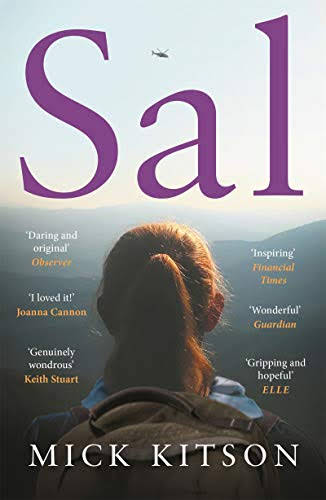
We read this for book club. Sal is a 13 year old survivalist nut. Anticipating that her mum’s boyfriend who has been abusing her will start on her sister, the […]
This is one of those “walking the South West coast path” accounts. Having enjoyed Mark Wallington’s Five Hundred Mile Walkies (almost as much as Boogie Up the River) I wasn’t […]
Jonathan Coe’s Brexit novel is a sequel to The Rotters Club and Closed Circle, each of which were set in the Midlands a couple of decades apart. So besides taking the nation’s […]
We read for book group this tale of three young people who are in various ways dissatisfied with their lives – in Karachi and in Portsmouth.
For book group we read this forgettable if moderately entertaining fantasy which borrows a hodgepodge of ideas with very little discrimination.